
GHB Schedule Canada: What Schedule Is GHB & What Are the Legal Consequences? (2026)
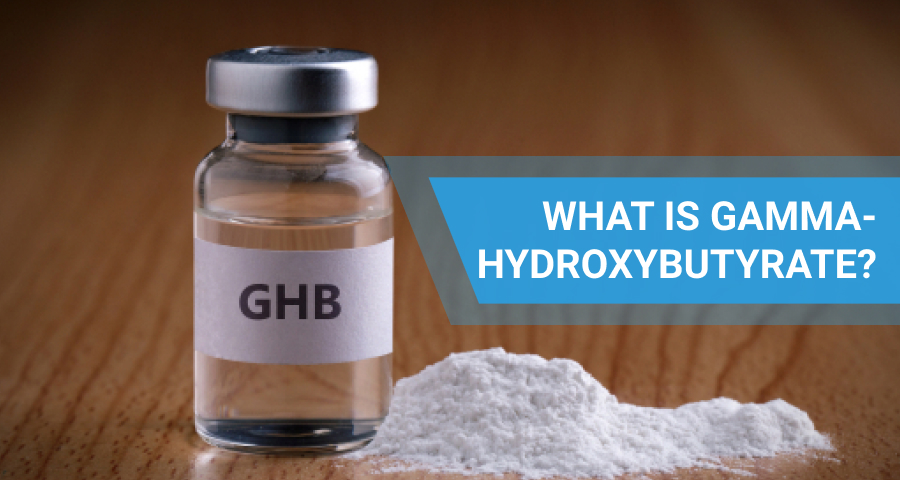
GHB (gamma-hydroxybutyrate) is a Schedule I controlled substance in Canada, classified under the Controlled Drugs and Substances Act (CDSA). Schedule I is the most restrictive drug classification in Canadian law — the same tier as heroin, cocaine, and fentanyl — meaning that any unauthorized possession, trafficking, production, or importation of GHB is a serious criminal offence carrying penalties up to life imprisonment.
Canada’s Drug Scheduling System Explained
How the CDSA Schedules Work
The Controlled Drugs and Substances Act (CDSA), Canada’s primary federal drug law enacted in 1996, organizes all controlled substances into eight schedules (Schedules I–VIII). Each schedule determines the severity of criminal penalties attached to offences involving that substance. The higher the schedule number, the more flexibility in legal treatment — making Schedule I the most criminally consequential classification.
Here is how the schedules broadly break down:
What Schedule Is GHB in Canada?
GHB Is Schedule I
GHB is a Schedule I substance under the CDSA. It was placed into Schedule I on November 6, 2012, following a federal reclassification from Schedule III. This change was triggered by mounting evidence of GHB’s use in drug-facilitated sexual assault (DFSA), its high addiction potential, and the serious risk of overdose and death — particularly when combined with alcohol.
Prior to November 2012, GHB was classified as Schedule III, which grouped it with substances like LSD and amphetamines. The reclassification to Schedule I placed GHB under the same legal framework as the most dangerous controlled drugs in Canada, fundamentally changing the nature of all criminal charges and penalties associated with it.
What Other Drugs Share GHB’s Schedule I Status?
GHB’s Schedule I companions under the CDSA include some of the most dangerous and heavily prosecuted substances in Canada:
- Heroin (diacetylmorphine)
- Cocaine and crack cocaine
- Fentanyl and all analogues
- Methamphetamine
- MDMA (ecstasy / molly)
- Oxycodone (when not legally prescribed)
- Carfentanil
- GHB (gamma-hydroxybutyrate / gamma-hydroxybutyric acid)
Why GHB Was Upgraded to Schedule I
The 2012 Reclassification
Before 2012, GHB’s Schedule III status meant lighter criminal consequences and less prioritized enforcement. The federal government’s decision to upgrade GHB to Schedule I was informed by several key factors:
- Drug-facilitated sexual assault: GHB’s colourless, nearly odourless profile made it a preferred tool for perpetrators of DFSA. Canadian law enforcement agencies documented a consistent pattern of GHB use in sexual assault cases throughout the 2000s.
- Overdose risk: GHB has a dangerously narrow therapeutic index — the difference between a dose that produces euphoria and a lethal dose is very small. When mixed with alcohol, the risk of fatal respiratory depression increases dramatically.
- Addiction and withdrawal severity: GHB dependence produces a withdrawal syndrome that can include seizures, psychosis, and death, making it one of the most medically dangerous substances to withdraw from.
- Illicit manufacturing: GHB is relatively easy to synthesize from precursor chemicals, making domestic production a concern alongside importation.
- International alignment: The upgrade brought Canada into closer alignment with the United States, which had already classified GHB as Schedule I under the Controlled Substances Act (CSA).
Legal Consequences of GHB’s Schedule I Status
GHB’s Schedule I classification directly determines the severity of all criminal charges under the CDSA. Here is a full breakdown of offences and their penalties:
Possession (Section 4, CDSA)
Simple possession of GHB — even a small personal-use quantity — is a criminal offence. There is no minimum quantity, no decriminalization threshold, and no personal-use defence:
- Summary conviction, first offence: Fine up to $1,000 and/or up to 6 months imprisonment
- Summary conviction, subsequent offence: Fine up to $2,000 and/or up to 1 year imprisonment
- Indictable offence: Up to 7 years imprisonment
Trafficking (Section 5, CDSA)
Transporting a Schedule I substance is one of the most serious drug offences in Canada. Trafficking GHB includes selling, giving, administering, transporting, or offering to provide GHB to any person:
- Maximum penalty: Life imprisonment
- Mandatory minimum: 1 year imprisonment when aggravating factors apply
Aggravating factors that trigger mandatory minimums include:
- Trafficking near a school, playground, or public facility
- Involvement of a person under 18 in the offence
- Prior conviction for a designated drug offence within 10 years
- Use of a weapon or violence
- Connection to organized crime
Possession for the Purpose of Trafficking (POPT)
Police can charge you with POPT — which carries identical maximum penalties to trafficking — without witnessing an actual sale. Evidence such as quantity, multiple baggies, scales, or large amounts of cash can establish POPT intent in court.
Production (Section 7, CDSA)
Manufacturing, synthesizing, or cultivating GHB is an indictable offence. Given GHB’s Schedule I status, production charges can result in significant imprisonment terms, with the exact sentence depending on scale, intent, and whether the production operation was connected to trafficking.
Importation and Exportation (Section 6, CDSA)
Bringing GHB into Canada — or attempting to export it — triggers some of the most severe mandatory minimums under Schedule I drug law:
- Mandatory minimum: 1 year imprisonment
- Mandatory minimum: 2 years where the quantity exceeds 1 kilogram
- Maximum: Life imprisonment
The Canada Border Services Agency (CBSA) enforces these provisions at all land borders, airports, and international mail facilities.
GHB Schedule I vs. Schedule III: What Changed in 2012
Understanding the impact of GHB’s reclassification requires a direct comparison of what changed legally when GHB moved from Schedule III to Schedule I:
The 2012 reclassification effectively doubled or tripled the maximum penalties for most GHB offences and introduced mandatory minimums that judges cannot deviate below regardless of mitigating circumstances.
GHB Precursors: Schedule VI Class A Designation
Canada’s scheduling system also covers GHB’s chemical building blocks. GBL (gamma-butyrolactone) and 1,4-butanediol (1,4-BD) — both of which rapidly convert to GHB once metabolized — are designated as Schedule VI, Class A Precursors under the CDSA.
- A federal licence is required to possess or handle these chemicals commercially
- A federal permit is required to import or export them
- Using or distributing GBL or 1,4-BD with intent to produce GHB is prosecuted as a GHB drug offence under Schedule I penalties
- “Industrial use” claims do not protect buyers who intend recreational consumption
Medical Exemption: When Schedule I GHB Is Legal
Despite its Schedule I status, GHB has one legally recognized medical application in Canada. Sodium oxybate, sold under the brand name Xyrem, is the pharmaceutical-grade form of GHB approved for treating narcolepsy — specifically:
- Cataplexy (sudden loss of muscle control triggered by emotion)
- Excessive daytime sleepiness (EDS)
Xyrem operates under a Special Access Program and an exclusive controlled distribution system.
GHB Scheduling: Canada vs. International Standards
Canada’s life imprisonment maximum for GHB trafficking is the most severe penalty framework among major Western nations, reflecting the federal government’s strong stance on Schedule I drug enforcement.
Harm Reduction and Support in Canada
GHB’s Schedule I status reflects its serious physical risks. Chronic GHB use can produce severe physical dependence, and withdrawal — unlike most recreational drugs — can be life-threatening, causing seizures, extreme agitation, and psychotic episodes. Medically supervised detoxification is essential for anyone dependent on GHB.
Canadian support resources include:
- CAMH — Centre for Addiction and Mental Health — Canada’s premier addiction medicine institution
- Here to Help BC — Evidence-based substance use education
- Health Canada Substance Use Program — Federal treatment referrals and harm reduction services
- Canadian Centre on Substance Use and Addiction (CCSA) — National addiction research and policy body
- Crisis Services Canada — 24/7 bilingual crisis line