
Is GHB Legal in Canada? Complete Guide to GHB Laws, Penalties & Regulations (2026)
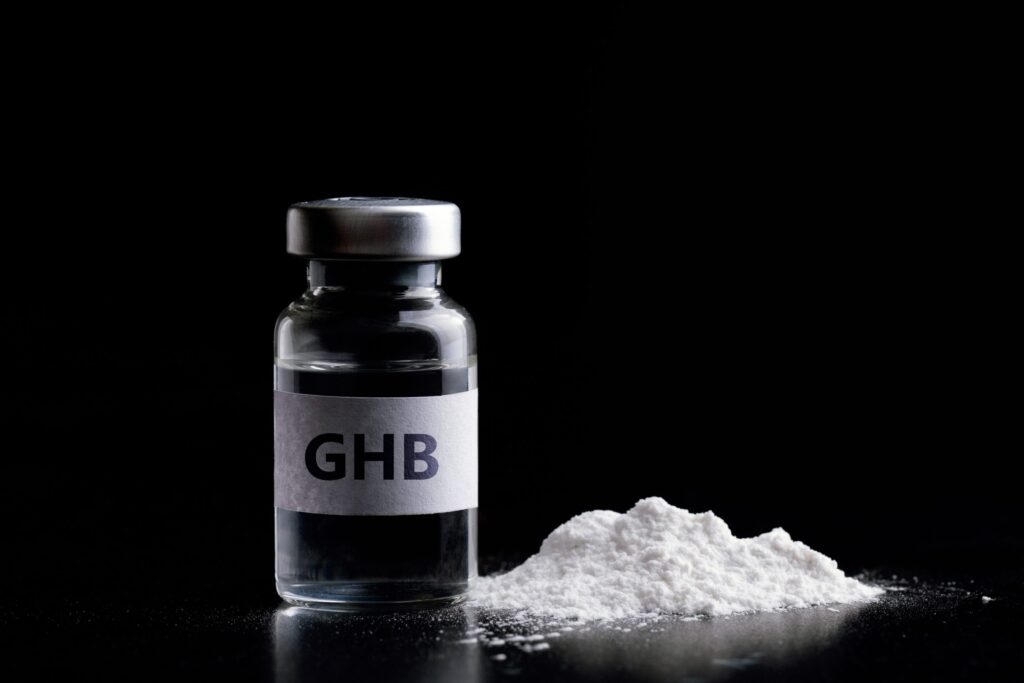
GHB (gamma-hydroxybutyrate) is not legal for recreational use in Canada. It is classified as a Schedule I controlled substance under the Controlled Drugs and Substances Act (CDSA), placing it in the same legal category as heroin and cocaine. Possession, sale, production, or distribution of GHB without federal authorization is a serious criminal offence that can result in significant fines and imprisonment.
What Is GHB?
GHB, or gamma-hydroxybutyric acid, is a central nervous system (CNS) depressant that occurs naturally in trace amounts in the human body. It slows and calms nervous system activity, producing effects that range from mild euphoria and relaxation at low doses to sedation, unconsciousness, and respiratory depression at higher doses.
GHB is commonly associated with drug-facilitated sexual assault due to its colourless, odourless nature and fast-acting sedative properties, earning it the label of a “date rape drug” alongside Rohypnol and Ketamine. Other street names for GHB include liquid ecstasy, G, fantasy, grievous bodily harm (GBH), cherry meth, and sodium oxybate (its pharmaceutical name). Understanding what GHB is helps clarify why Canadian drug laws treat it with such severity.
GHB Legal Status in Canada
Schedule I Classification
GHB has been a Schedule I controlled substance in Canada since November 6, 2012, when it was upgraded from its previous Schedule III status. Schedule I is the most restrictive classification under the CDSA and includes substances such as:
- Heroin (diacetylmorphine)
- Cocaine
- Fentanyl
- Methamphetamine
- GHB (gamma-hydroxybutyrate)
This reclassification reflected growing concern over GHB’s abuse potential, its role in drug-facilitated assaults, and the risks of overdose and addiction. Prior to 2012, GHB shared its Schedule III status with amphetamines and LSD — the shift to Schedule I dramatically increased the legal consequences for those caught with the substance.
Is GHB Illegal to Possess in Canada?
Yes. Possession of GHB in Canada is illegal unless you hold a specific federal authorization for medical, scientific, or industrial purposes. There are no recreational exemptions, no decriminalization provisions specific to GHB, and no provincial opt-outs. Whether you are caught with GHB in Ontario, British Columbia, Alberta, Quebec, or any other province, federal law applies uniformly across all of Canada.
GHB precursors are also tightly controlled. GBL (gamma-butyrolactone) and 1,4-butanediol (BD), both of which convert to GHB in the body, are classified as Class A precursors under the CDSA, requiring a federal licence and permit for any import or export.
GHB Penalties in Canada
Because GHB is a Schedule I substance, penalties under the Controlled Drugs and Substances Act are among the most severe in Canadian drug law. Here is a breakdown of the key offences and their consequences:
Possession
- Simple possession of GHB is a criminal offence.
- For a first offence, penalties can include a fine of up to $1,000 and/or up to 6 months imprisonment.
- For subsequent offences, fines up to $2,000 and/or up to 1 year imprisonment may apply.
Trafficking & Possession for the Purpose of Trafficking
- Trafficking GHB or possessing it with intent to traffic is an indictable offence carrying a sentence of up to life imprisonment.
- Mandatory minimum sentences of 1 year apply where aggravating factors are present (e.g., proximity to schools, organized crime involvement).
Importing & Exporting
- Importing or exporting GHB carries a mandatory minimum of 1 year imprisonment, escalating to 2 years if the quantity exceeds 1 kg.
Production
- Manufacturing or producing GHB is also an indictable offence and may result in imprisonment depending on intent and quantity involved.
Beyond incarceration, a GHB-related conviction in Canada can result in a permanent criminal record, impacting future employment prospects, international travel eligibility, educational opportunities, and professional licensing.
Is GHB Legal for Medical Use in Canada?
This is one of the most frequently searched questions around GHB legal in Canada. The answer is: yes, but under very strict conditions. Canadian doctors can legally prescribe GHB for the treatment of narcolepsy — specifically for managing excessive daytime sleepiness and cataplexy, which is a sudden loss of muscle control.
The pharmaceutical form of GHB approved for this use is known as sodium oxybate, sold under the brand name Xyrem. Xyrem is one of the most tightly regulated prescription medications in Canada, available only through a special-access program with strict monitoring protocols. Recreational GHB acquired on the street or synthesized in illegal labs bears no resemblance to the controlled clinical setting under which medical GHB is lawfully prescribed.
GHB and Drug-Facilitated Sexual Assault Laws in Canada
GHB is at the centre of Canada’s legal framework around drug-facilitated sexual assault (DFSA). Administering GHB to another person without their consent to facilitate a sexual assault is a separate and serious criminal offence under the Criminal Code of Canada, compounding any penalties under the CDSA.
Health Canada explicitly identifies GHB as a substance with high risk for enabling non-consensual acts, citing its:
- Odourless and colourless profile — making it easy to slip into drinks
- Fast onset — effects can occur within 15–30 minutes of ingestion
- Memory-impairing effects — reducing the likelihood of victim recall
- High overdose risk — especially dangerous when mixed with alcohol
If you believe you or someone you know has been drugged with GHB, Canadian law enforcement treats this as a serious priority, and health providers can conduct toxicological testing to detect GHB even within a narrow detection window.
GHB Precursors: GBL and 1,4-Butanediol (BD) in Canada
Many people searching for information on GHB legal status Canada are also researching GBL (gamma-butyrolactone) and 1,4-butanediol, industrial chemicals that metabolize into GHB once ingested. These compounds are not exempt from Canadian law:
- GBL and BD are classified as Class A precursors under the CDSA.
- Importing or exporting these chemicals requires a federal licence and permit.
- Using or selling them with the intent to produce GHB is illegal and prosecuted in the same way as GHB offences.
Attempting to circumvent GHB regulations by purchasing or importing GBL or BD as “industrial solvents” with the intent to consume them is still a criminal offence in Canada.
Canada vs. Other Countries: GHB Legal Comparison
Canada’s Schedule I classification means it applies the strictest domestic penalties to GHB among major Western nations, treating it at the same enforcement level as heroin and cocaine.
Harm Reduction and Resources in Canada
If you or someone you know is struggling with GHB use, addiction, or withdrawal — which can be serious and medically dangerous — the following Canadian harm reduction resources are available:
- Here to Help BC — Provides factsheets on GHB, ketamine, and other substances
- Health Canada Substance Use page — Official government information on controlled drugs
- Crisis Services Canada — 24/7 support for mental health and substance crises
- CAMH (Centre for Addiction and Mental Health) — Canada’s leading mental health and addiction hospital
GHB withdrawal can involve severe symptoms including anxiety, insomnia, tremors, and in serious cases, psychosis, making medically supervised detox essential for heavy users. Never attempt GHB withdrawal alone — always seek professional medical support.