
GHB in Canada: Effects, Laws, Risks and Medical Use Explained
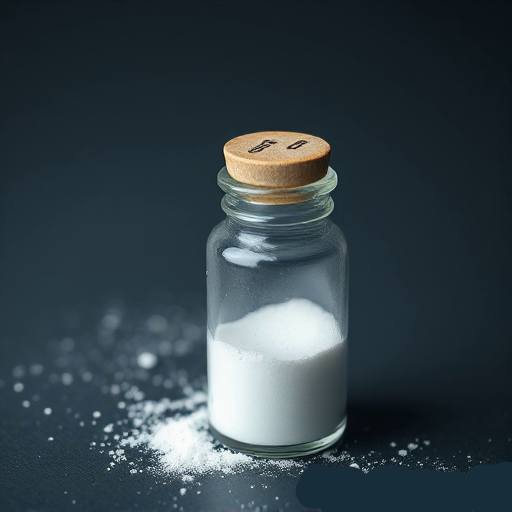
GHB in Canada has become a major topic of concern for health authorities, law enforcement, and nightlife communities. It is a powerful central nervous system depressant, widely known as a “date rape drug,” and is strictly controlled under Canadian federal law. While GHB is banned for recreational use, it does have a legitimate medical role in the treatment of severe sleep disorders, creating a complex picture of risk, regulation, and limited therapeutic benefit.
This guide covers everything you need to know about GHB in Canada: what it is, how it is used, its legal status, common street names, overdose risks, long‑term health impacts, and how people can access help.
What Is GHB?
GHB (gamma hydroxybutyrate) is a chemical that occurs naturally in small amounts in the human body and acts primarily as a central nervous system (CNS) depressant. In medical and recreational contexts, GHB is typically manufactured synthetically and sold as a clear, odourless, salty-tasting liquid or white powder that can be easily mixed into drinks.
Because it slows down brain activity, heart rate, and breathing, GHB can cause deep relaxation, drowsiness, and disinhibition at low doses, but quickly leads to confusion, loss of consciousness, coma, or death when the dose is even slightly too high. This narrow margin between a “desired” effect and life‑threatening overdose makes GHB in Canada particularly dangerous as a street drug.
Common street names for GHB in Canada include:
- Liquid ecstasy
- G, liquid X, fantasy, soap
- “Date rape drug” (due to its misuse in sexual assaults)
How Is GHB Used in Canada?
In the context of GHB in Canada, there are two main patterns of use:
- Recreational use / club and party scenes
- Often taken in nightclubs, raves, festivals, and chemsex contexts.
- Users seek euphoria, increased sociability, and heightened sensations.
- It is usually swallowed as a liquid dose, frequently measured with a bottle cap, syringe barrel, or teaspoon — a highly inaccurate method that significantly increases overdose risk.
- Medical use for narcolepsy
Strength and purity vary from batch to batch, meaning the same volume can have vastly different effects on different days. This unpredictability is one of the leading causes of GHB poisoning and emergency hospital admissions.
Legal Status of GHB in Canada
When people search for “GHB in Canada”, they usually want to know whether it is legal or illegal. Under Canadian law, GHB is a controlled substance:
- GHB is listed in Schedule I of the Controlled Drugs and Substances Act (CDSA), which is the highest-risk category, alongside drugs like heroin and cocaine.
- It is illegal to produce, possess, buy, sell, traffic, import, or export GHB in Canada, except when specifically authorized for medical, scientific, or industrial purposes.
Health Canada states clearly that GHB in Canada is controlled and that “activities such as sale, possession and production of GHB are illegal, unless authorized.” The Centre for Addiction and Mental Health (CAMH) further notes that the only current medical use of GHB in Canada is as a treatment for narcolepsy, and that all non-medical possession and trafficking are criminal offences.
Consequences of illegal involvement with GHB can include:
- Fines
- Imprisonment
- A permanent criminal record that affects employment, immigration, and travel plans
GHB Precursors: GBL and 1,4‑BD in Canada
An important part of understanding GHB in Canada is knowing about its chemical precursors:
- GBL (gamma‑butyrolactone)
- 1,4‑BD (1,4‑butanediol)
These industrial chemicals are used as solvents and cleaners and are not intended for human consumption. When swallowed, the body converts GBL and 1,4‑BD into GHB, producing similar depressant effects.
Health Effects of GHB Use
The physical and psychological effects of GHB in Canada vary depending on dose, frequency of use, whether it is mixed with alcohol or other depressants, and the user’s health. Health Canada and provincial health agencies highlight several key risks.
Short‑term effects of GHB may include:
- Euphoria and relaxation
- Drowsiness or sudden sleep
- Dizziness and confusion
- Slurred speech and loss of coordination
- Nausea, vomiting, and loss of bladder control
- Slowed breathing, reduced heart rate, and low blood pressure
- Seizure, loss of consciousness, coma, or death at high doses
Because the line between a “recreational” dose and a toxic dose is extremely thin, even experienced users frequently misjudge amounts, especially when using different batches or mixing GHB with other substances.
Long‑term or repeated use of GHB in Canada can lead to:
- Tolerance and dependence
- Severe withdrawal symptoms, including sweating, rapid heartbeat, high blood pressure, tremors, and insomnia
- Anxiety, depression, hallucinations, and memory problems
- Heart issues and breathing complications
- Risk of death during withdrawal in severe dependency cases
Health Canada notes that you can die during withdrawal from GHB, and that cravings and psychological effects can persist even after detoxification.
GHB, Overdose and the Good Samaritan Law
Signs of GHB overdose can include:
- Extreme drowsiness or inability to stay awake
- Vomiting while unconscious
- Shallow or stopped breathing
- Seizures
- Unresponsiveness or coma
A particular risk with GHB is death from choking on vomit while unconscious, as the person loses protective reflexes.
To encourage people to call for help, Canada’s Good Samaritan Drug Overdose Act offers certain legal protections to those who witness an overdose and call 911, including protection from simple possession charges in many cases. This law applies to overdoses involving GHB in Canada just as it does to opioids and other substances.
GHB as a Date Rape Drug in Canada
One of the most troubling aspects of GHB in Canada is its use in drug‑facilitated sexual assault (DFSA). HealthLink BC and other Canadian health authorities list GHB among the drugs most often used in “date rape” scenarios.
Reasons GHB is used in sexual assaults include:
- Clear, odourless, and easy to slip into drinks unnoticed
- Rapid onset of sedation, confusion, and memory loss
- Victims may be conscious but unable to move or resist, or may black out completely
Despite the stigma, it is crucial to emphasize that responsibility for assault lies entirely with the perpetrator—not the victim or their substance use.
How Common Is GHB Use in Canada?
Data on GHB in Canada is more limited than for alcohol, cannabis, or opioids, but some indicators exist:
- A survey of Ontario students (Grades 7–12) reported that 0.5% had used GHB at least once in the past year, suggesting relatively low but present use among youth.
- Drug checking and seizure data show that GHB remains a consistent, though comparatively small, portion of substances appearing in the illegal drug supply.
Nationally, experts consider GHB a low-prevalence but high‑risk drug: fewer people use it compared with alcohol or stimulants, but those who do face significant risks of overdose, dependence, and sexual victimization.
The Only Legal Medical Use: GHB for Narcolepsy
Although GHB in Canada is illegal for recreational use, it has one recognized and tightly regulated medical application: treatment for narcolepsy, a rare but serious sleep disorder characterized by excessive daytime sleepiness and sudden episodes of muscle weakness (cataplexy).
In this context:
- GHB is prescribed as sodium oxybate, a pharmaceutical formulation taken at night under strict medical supervision.
- Access is limited, monitored, and controlled through Health Canada’s regulations and specialized distribution channels.
- Even in medical settings, sodium oxybate is recognized as having significant abuse and dependence potential, so physicians weigh risks and benefits carefully.
This means that the only legal way to use GHB in Canada is via a prescription for sodium oxybate from a licensed physician, within the framework of Health Canada regulations. All other forms of possession or use remain illegal.
Getting Help for GHB Use in Canada
For individuals struggling with GHB in Canada, several support options exist:
- Provincial health information lines (e.g., HealthLink BC, Drugs: Help and Referral in Quebec).
- Addiction and mental health services through hospitals, community clinics, and organizations like CAMH.
- Crisis and sexual assault support services for those affected by drug-facilitated sexual assault involving GHB.