
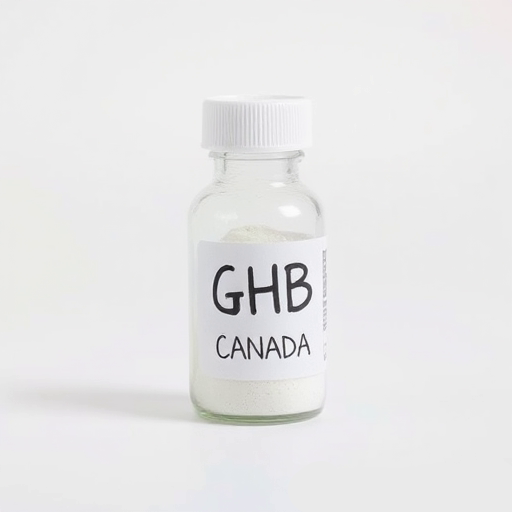
Introduction: Understanding GHB in Canada
The topic of GHB Canada has gain increase attention in recent years due to concerns surrounding public health, drug safety, and legal enforcement. Gamma-hydroxybutyrate (GHB) is a psychoactive substance that exists at the intersection of medical research, criminal law, and public health education. In Canada, GHB is recognize both as a control substance and as a regulate medication under strict medical supervision.
This article provides an educational, non-commercial overview of GHB in Canada, focusing on legal classification, health effects, medical applications, and public safety considerations. The goal is to support legal research, public health initiatives, and academic education.
What Is GHB?
Gamma-hydroxybutyrate (GHB) is a central nervous system depressant that occurs naturally in small amounts in the human body. It affects neurotransmitters linked to sleep, mood regulation, and motor control. While GHB has legitimate medical uses, it is also associated with misuse due to its sedative and euphoric effects.
GHB is sometimes discussed alongside related substances such as GBL (gamma-butyrolactone), which converts into GHB once ingested. In Canada, both substances are closely monitored due to their potential for harm.
Legal Status of GHB in Canada
Under Canadian law, GHB is classified as a Schedule I controlled substance under the Controlled Drugs and Substances Act (CDSA). This means that unauthorized possession, production, or distribution is illegal.
Regulatory oversight is manage by Health Canada, which governs controlled substances, prescription medications, and public health advisories.
Key Legal Points:
- GHB is illegal without authorization
- Severe penalties exist for trafficking or possession
- Medical access is limited and strictly regulated
- GBL may also be regulated due to conversion risk
From a legal research perspective, GHB in Canada is often cited in cases involving drug-facilitated crimes, impaired capacity, and substance-related harm.
Medical Use of GHB in Canada
Despite its restricted status, GHB has a recognized medical application in the form of sodium oxybate, a prescription medication used primarily to treat narcolepsy with cataplexy.
Medical GHB:
- Is only available by prescription
- Is tightly monitored by federal regulators
- Is distributed through controlled programs
- Requires physician supervision
This dual status—medical utility versus illegal misuse—makes GHB a significant subject in pharmaceutical regulation and ethics discussions in Canada.
Public Health Risks Associated with GHB
Public health agencies in Canada identify GHB as a high-risk substance, particularly due to its narrow margin between intoxicating and dangerous doses.
Health Effects of GHB
- Sedation and dizziness
- Confusion and memory impairment
- Slowed breathing
- Loss of consciousness
- Seizures in severe cases
One of the most dangerous aspects of GHB is its interaction with alcohol, which significantly increases the risk of respiratory depression and overdose.
GHB and Overdose Risk in Canada
GHB overdose remains a serious concern for emergency departments across Canada. Symptoms of overdose may include:
- Unresponsiveness
- Vomiting
- Shallow or stopped breathing
- Bradycardia (slow heart rate)
There is no specific antidote for GHB overdose, making early medical intervention critical. Public health guidance in Canada emphasizes rapid emergency response when GHB poisoning is suspecte.
GHB and Drug-Facilitated Crimes
GHB is often discuss in public safety education due to its association with drug-facilitate sexual assault. Its colourless, odourless nature makes it difficult to detect when added to beverages.
Educational campaigns across Canada focus on:
- Drink safety awareness
- Consent education
- Bystander intervention
- Reporting mechanisms
These initiatives highlight the importance of prevention through education, not fear-based messaging.
Harm Reduction and Public Education
Canadian public health frameworks emphasize harm reduction, recognizing that education and awareness reduce adverse outcomes more effectively than punitive approaches alone.
Harm reduction strategies include:
- Substance education programs
- Campus safety initiatives
- Emergency response training
- Public awareness campaigns
For educators and researchers, GHB serves as a case study in balanced drug policy, combining enforcement with prevention and care.
GHB in Canadian Research and Policy Discussions
GHB Canada is frequently reference in:
- Criminal justice research
- Toxicology studies
- Sleep medicine literature
- Public health policy analysis
Its unique status makes it relevant in discussions about:
- Controlled substance scheduling
- Pharmaceutical ethics
- Consent and capacity laws
- Emergency healthcare preparedness
Educational Summary: Why GHB Matters in Canada
Understanding GHB in Canada requires a multidisciplinary approach that includes law, medicine, public health, and education. While the substance has legitimate medical uses, its risks necessitate strong regulatory oversight and public awareness.
From an SEO and educational standpoint, “ghb canada” remains a high-value informational keyword due to:
- Ongoing legal relevance
- Public safety concerns
- Academic research interest
- Health education needs
Conclusion
GHB in Canada represents a complex intersection of science, law, and public health. Through accurate information, evidence-based education, and harm-reduction strategies, Canadian institutions aim to minimize risk while supporting legitimate medical use.
For legal researchers, educators, and public health professionals, understanding GHB Canada is essential for informed decision-making and effective communication.