
GHB Addiction in Canada: Complete Guide to Dependence, Withdrawal & Recovery (2026)
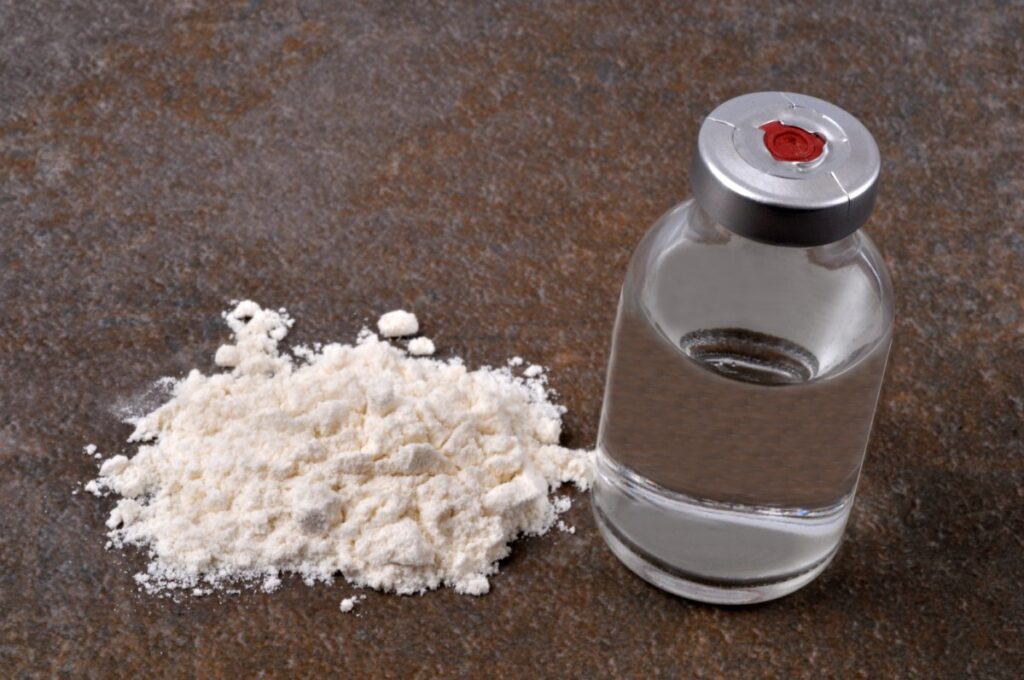
GHB addiction in Canada is a serious and medically dangerous condition that is widely underrecognized compared to opioid or alcohol dependency. Gamma-hydroxybutyrate (GHB) produces rapid physical dependence — and its withdrawal syndrome is one of the few among recreational drugs capable of causing seizures, psychosis, and death without medical supervision. As a Schedule I controlled substance under the Controlled Drugs and Substances Act (CDSA), GHB is illegal for recreational use across all Canadian provinces and territories, which means most people struggling with GHB addiction face both a serious health crisis and significant legal vulnerability simultaneously.
What Is GHB and Why Is It Addictive?
Understanding GHB’s Effects on the Brain
GHB (gamma-hydroxybutyric acid) is a central nervous system (CNS) depressant that acts on GABA-B receptors and GHB-specific receptors in the brain. At low doses, it produces euphoria, sociability, and mild sedation. At higher doses, it causes deep sedation, amnesia, and unconsciousness. This pleasurable low-dose effect combined with an extremely narrow margin between a recreational dose and an overdose dose is central to GHB’s addiction profile.
GHB is known by numerous street names in Canadian drug culture, including:
- G or Liquid G
- Fantasy
- Grievous Bodily Harm (GBH)
- Liquid Ecstasy (despite having no chemical relation to MDMA)
- Cherry Meth
- Scoop or Easy Lay
- Soap or Georgia Home Boy
GHB’s addictive properties stem from its direct action on the brain’s reward and inhibitory systems. Regular use causes the brain to downregulate its own GABA activity in compensation — meaning the brain becomes chemically dependent on GHB to maintain basic neurological stability. When GHB is suddenly removed, this compensatory downregulation produces a violent rebound — the basis of GHB withdrawal syndrome.
Signs and Symptoms of GHB Addiction in Canada
Recognizing GHB Dependence
GHB addiction often develops faster than users anticipate. Because GHB has a short half-life — effects lasting only 2–4 hours — dependent users frequently dose every few hours around the clock, including waking from sleep to re-dose, to avoid the onset of withdrawal.
Key signs of GHB addiction and physical dependence include:
- Dosing every 2–4 hours — including setting alarms to wake and dose through the night
- Inability to stop despite wanting to — strong compulsion to use even when not desired
- Increased tolerance — needing progressively larger doses to achieve the same effect
- Preoccupation with supply — anxiety around running out, constantly sourcing GHB
- Neglecting responsibilities — declining work performance, damaged relationships, missed obligations
- Continued use despite negative consequences — legal problems, health deterioration, financial strain
- Social withdrawal — isolating from friends and family who do not use GHB
- Physical symptoms between doses — tremors, sweating, anxiety, and insomnia emerging as each dose wears off
GHB Addiction in Canadian Nightlife and LGBTQ+ Communities
GHB addiction in Canada is disproportionately prevalent in urban nightlife environments — particularly in cities like Toronto, Vancouver, and Montreal. It has a well-documented presence in chemsex (the use of drugs to facilitate sexual activity) within some segments of LGBTQ+ communities, where it is commonly used alongside methamphetamine and mephedrone. This pattern of use accelerates physical dependence and significantly increases overdose risk due to drug interactions.
GHB Withdrawal: Why It Is Medically Dangerous
The Most Dangerous Aspect of GHB Addiction
GHB withdrawal is not merely uncomfortable — it is potentially fatal. This distinguishes GHB from most recreational drugs (including opioids, cocaine, and cannabis), where withdrawal, while distressing, is rarely life-threatening. GHB withdrawal more closely resembles alcohol or benzodiazepine withdrawal in its severity and medical risk profile.
GHB Withdrawal Symptoms
Withdrawal typically begins within 1–6 hours of the last dose and can progress rapidly through several stages:
Mild to Moderate Symptoms (onset within hours):
- Anxiety and agitation
- Insomnia and inability to sleep
- Tremors and muscle shaking
- Profuse sweating and chills
- Rapid heart rate (tachycardia)
- Nausea and vomiting
Severe Symptoms (can develop within 24–72 hours):
- Severe confusion and disorientation
- Auditory and visual hallucinations
- Delirium — acute confusion with loss of reality orientation
- Seizures — potentially life-threatening
- Psychosis — paranoia, aggression, and complete loss of rational thinking
- Cardiovascular instability — dangerous fluctuations in heart rate and blood pressure
Why GHB Withdrawal Requires Hospital-Level Care
Because GHB withdrawal can escalate from mild anxiety to life-threatening seizures and psychosis within hours, medical professionals strongly advise against attempting GHB withdrawal outside of a supervised clinical setting. Treatment typically involves:
- Benzodiazepines (such as diazepam) administered under medical supervision to manage seizure risk
- Antipsychotic medications to manage delirium and psychosis
- Intravenous fluids for hydration and electrolyte management
- Cardiac monitoring throughout the acute withdrawal phase
- Barbiturates in severe, benzodiazepine-resistant cases
The acute withdrawal phase typically lasts 5–10 days for heavy users, followed by a protracted withdrawal syndrome that can include anxiety, insomnia, cognitive impairment, and mood disturbances for weeks or months afterward.
GHB Overdose in Canada
Recognizing a GHB Overdose
GHB overdose is a medical emergency. Given GHB’s narrow therapeutic window — the difference between a recreational dose and an incapacitating or lethal one — overdose is a constant risk, particularly when:
- GHB is combined with alcohol (dramatically amplifies CNS depression)
- GHB is combined with opioids or other sedatives
- The concentration of a street GHB solution is unknown or inconsistent
- A user re-doses before the previous dose has fully metabolized
Signs of GHB overdose include:
- Sudden loss of consciousness (“going under”)
- Unresponsive but breathing (often called a “G sleep”)
- Slow, shallow, or irregular breathing
- Blue tinge to lips or fingernails (cyanosis)
- Vomiting while unconscious (aspiration risk)
- Seizures
- Complete respiratory failure
What to Do During a GHB Overdose in Canada
If you witness a suspected GHB overdose in Canada:
- Call 911 immediately — do not wait to see if the person recovers on their own
- Place the unconscious person in the recovery position (on their side) to prevent choking on vomit
- Stay with them and monitor breathing until emergency services arrive
- Tell paramedics what substance was taken — Canada’s Good Samaritan Drug Overdose Act provides legal protection to people who call 911 during a drug overdose, shielding callers from simple possession charges
The Good Samaritan Drug Overdose Act and GHB
Legal Protection When Calling for Help
One of the most important legal provisions for GHB users in Canada is the Good Samaritan Drug Overdose Act, which came into force in 2017. This federal law provides protection from simple drug possession charges for:
- The person who calls 911 for an overdose
- The person who overdosed
- Anyone else present at the scene
This protection applies to GHB possession charges specifically. The intent of the law is to remove the fear of prosecution as a barrier to calling emergency services — a fear that has historically contributed to preventable overdose deaths.
Important limitations of the Good Samaritan Act:
- It covers simple possession only — it does not protect against trafficking, POPT, or production charges
- It does not apply if there are outstanding arrest warrants for violent offences
- Protection is contingent on cooperating with emergency responders
GHB Addiction and Canadian Law: How Courts View Addiction
Addiction as a Mitigating Factor in Sentencing
While GHB addiction does not excuse criminal possession under Canadian law, courts do consider addiction as a mitigating factor in sentencing — particularly for first-time offenders with no trafficking history. Several avenues exist within the Canadian criminal justice system that may benefit GHB-addicted individuals charged with possession:
- Diversion Programs: Crown prosecutors may divert first-time possession cases to addiction treatment programs in lieu of criminal prosecution, particularly where there is no public safety threat
- Drug Treatment Courts (DTCs): Available in several major Canadian cities including Toronto, Vancouver, Edmonton, and Ottawa, DTCs offer an alternative sentencing track where completion of a supervised treatment program can result in reduced or stayed charges
- Conditional Sentences: Courts may impose community-based sentences that include mandatory addiction treatment as a condition, rather than imprisonment
- Pre-Sentence Reports: Documenting active participation in addiction treatment prior to sentencing can meaningfully influence judicial outcomes
Proactively enrolling in a recognized GHB treatment program before sentencing signals good faith to the court and can support arguments for treatment-based rather than custodial sentences.
GHB Addiction Treatment Options in Canada
Medical Detoxification
Given GHB withdrawal’s life-threatening potential, the first stage of addiction treatment is always medically supervised detoxification — ideally in a hospital or residential detox facility equipped to manage seizures, delirium, and cardiovascular instability. Attempting home detox from GHB is strongly discouraged by Canadian medical professionals.
Residential Treatment Programs
Following successful detox, longer-term residential rehabilitation addresses the psychological and behavioural dimensions of GHB addiction. Residential programs in Canada typically offer:
- Individual and group cognitive-behavioural therapy (CBT)
- Motivational interviewing (MI)
- Relapse prevention skills training
- Concurrent mental health treatment (addressing anxiety, depression, and trauma common in GHB users)
- Peer support and community integration
Outpatient and Community-Based Programs
For individuals with stable housing and support networks, outpatient addiction treatmentprovides therapy and monitoring without residential admission. Many Canadian outpatient programs now include chemsex-specific support streams that address GHB addiction within the context of sexual health and community identity.
GHB Addiction Resources in Canada
Whether you are personally struggling with GHB dependence, supporting a loved one, or a healthcare professional seeking clinical guidance, the following Canadian resources provide confidential, evidence-based support:
- CAMH — Centre for Addiction and Mental Health — Canada’s largest mental health and addiction hospital; offers medically supervised detox, residential treatment, and outpatient services
- Here to Help BC — Evidence-based substance use education, self-help tools, and clinical referrals across British Columbia
- Health Canada Substance Use Treatment — Federal directory of licensed treatment centres and harm reduction services across all provinces
- Canadian Centre on Substance Use and Addiction (CCSA) — National research and policy body with comprehensive GHB drug information and treatment guidance
- Drug Treatment Court of Canada — Alternative justice pathway for individuals with addiction-related criminal charges
- Crisis Services Canada — Free, bilingual, 24/7 crisis intervention, support, and treatment referral
- AIDS Committee of Toronto (ACT) — Chemsex-specific GHB support services for LGBTQ+ communities
- Vancouver Coastal Health Addiction Services — Harm reduction and treatment services in BC’s most GHB-affected region