
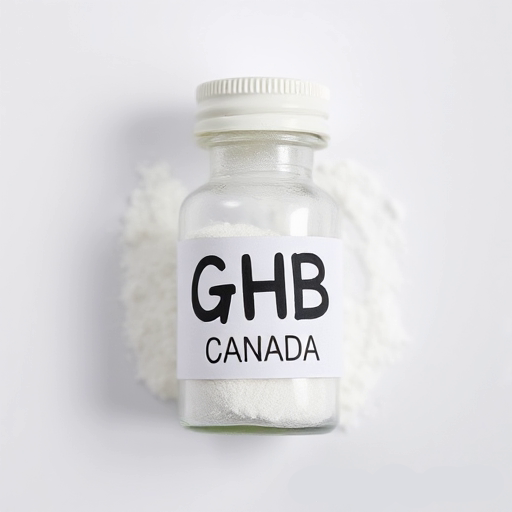
GHB Canada Law: Legal Status, Penalties, and Public Health Implications
Understanding GHB Canada law is essential for legal researchers, educators, healthcare professionals, and the general public. Gamma-hydroxybutyrate (GHB) is a substance widely discussed in the context of drug policy, sexual assault prevention, and public health education. In Canada, GHB is strictly regulated due to its high abuse potential and serious health risks.
This article provides an in-depth, educational overview of GHB legal status in Canada, criminal penalties, public health concerns, and harm reduction considerations—without promoting or facilitating illegal activity.
What Is GHB?
Gamma-hydroxybutyrate, commonly known as GHB, is a central nervous system depressant. While it has limited legitimate medical applications in some jurisdictions, it is more commonly associated with recreational misuse and drug-facilitated sexual assault.
GHB is often colorless, odorless, and tasteless when dissolved in liquids, which has led to its classification among date rape drugs. These characteristics make it particularly dangerous in social settings.
Is GHB Illegal in Canada?
Yes. GHB is illegal in Canada.
Under Canadian drug legislation, GHB is classified as a controlled substance, meaning its production, possession, trafficking, importation, and exportation are criminal offenses unless explicitly authorized for approved medical or scientific purposes.
The legal status of GHB in Canada reflects growing concerns over public safety, overdose risks, and sexual violence prevention.
GHB and Canadian Drug Law Framework
Controlled Substance Classification
GHB is regulated under Canada’s federal drug control framework, which governs substances with high abuse potential and limited medical use. This framework empowers law enforcement agencies to investigate and prosecute offenses related to:
- GHB possession
- GHB trafficking
- GHB production or distribution
- Importing or exporting GHB
Federal oversight and enforcement are coordinated alongside public health authorities such as Health Canada, which monitors drug scheduling and public health impacts.
Penalties for GHB Possession in Canada
The penalties for GHB possession in Canada vary depending on several factors:
- Quantity of the substance
- Intent (personal possession vs distribution)
- Prior criminal record
- Presence of aggravating circumstances
Possible Legal Consequences
- Criminal charges
- Fines or probation
- Imprisonment in serious cases
- Permanent criminal record
Even small-quantity possession can lead to serious legal consequences under Canadian law, especially when combined with other offenses.
GHB Trafficking and Distribution Laws
GHB trafficking in Canada carries significantly harsher penalties than simple possession. Trafficking includes:
- Selling or giving GHB to another person
- Transporting GHB
- Possessing GHB for the purpose of distribution
Convictions for trafficking can result in multi-year prison sentences, particularly when trafficking is linked to organized crime or sexual assault offenses.
GHB and Sexual Assault Laws in Canada
One of the most serious aspects of GHB Canada law involves its role in drug-facilitated sexual assault. Canadian courts treat these cases with heightened severity due to:
- The victim’s inability to consent
- The deliberate concealment of the drug
- The long-term psychological and physical harm
Criminal charges in such cases may include:
- Sexual assault
- Administering a noxious substance
- Aggravated assault
These offenses carry severe sentencing guidelines under Canadian criminal law.
Public Health Concerns Related to GHB
From a public health perspective, GHB presents significant risks:
- Respiratory depression
- Memory loss and blackouts
- High overdose potential
- Dangerous interactions with alcohol
Canadian public health agencies emphasize education, prevention, and harm reduction to address these risks nationwide.
Harm Reduction and Education in Canada
While GHB remains illegal, harm reduction strategies play an important role in public health education. These strategies focus on:
- Awareness of overdose symptoms
- Education on drug-facilitated assault prevention
- Encouraging bystander intervention
- Reducing stigma to promote medical assistance
Harm reduction does not mean legalization; rather, it aims to reduce injury and death while reinforcing the legal consequences of controlled substances.
Medical and Scientific Use of GHB in Canada
Unlike some jurisdictions, GHB medical use in Canada is extremely limited and tightly regulated. Any authorized use requires special exemptions and strict oversight. Unauthorized possession—even for claimed medical purposes—is still illegal.
Why GHB Remains Strictly Regulated in Canada
The strict enforcement of GHB Canada law is driven by:
- High addiction risk
- Narrow therapeutic margin
- Use in violent crimes
- Burden on emergency healthcare systems
Canadian lawmakers consistently prioritize public safety, sexual violence prevention, and overdose reduction when evaluating controlled substances.
Educational Takeaways
For educators, researchers, and public health professionals, understanding GHB legal status in Canada is critical for:
- Legal literacy initiatives
- Campus safety programs
- Drug awareness education
- Policy research and reform discussions
Clear, evidence-based information helps prevent misinformation and reduces harm at both individual and community levels.
Conclusion
GHB Canada law reflects a firm legal and public health stance against a substance associated with severe risks and criminal misuse. GHB is illegal to possess, distribute, or manufacture in Canada, with serious penalties enforced under federal drug laws. Beyond the legal framework, public health education and harm reduction remain vital tools in reducing overdose deaths and preventing sexual violence.
For anyone involved in legal research, public health education, or academic study, understanding the intersection of GHB, Canadian law, and public safety is essential.