
GHB and Health Canada: Public Health, Legal Status, and Medical Risks in Canada
Gamma-hydroxybutyrate (GHB) is a psychoactive substance that has raised significant concerns in Canada due to its health risks, misuse, and association with drug-facilitated sexual assault. From a public health and legal perspective, ghb Health Canada guidance plays a central role in educating the public, supporting harm reduction, and regulating controlled substances.
This article provides a comprehensive, non-transactional overview of GHB in Canada, focusing on Health Canada’s public health role, legal status, medical effects, and research-based risk factors. It is designed for legal researchers, public health professionals, educators, and policy analysts.
What Is GHB?
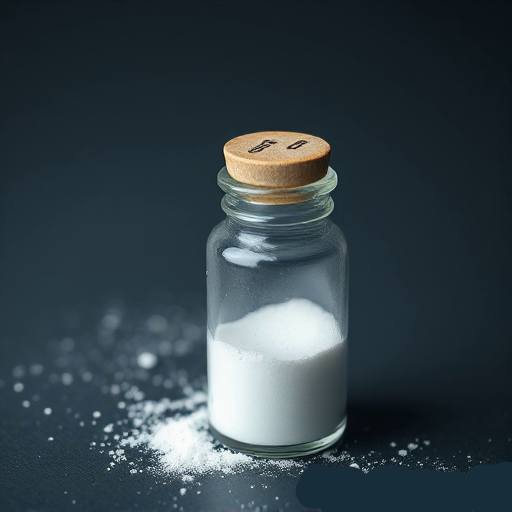
GHB (gamma-hydroxybutyrate) is a central nervous system depressant that occurs naturally in small amounts in the human body but is also manufactured illegally for non-medical use. In Canada, GHB is commonly encountered as a clear, odourless liquid, though it may also appear as a powder.
Due to its sedative and euphoric effects, GHB has been misused recreationally. However, its narrow margin between intoxication and overdose makes it particularly dangerous.
Health Canada’s Role in GHB Regulation and Public Health
Health Canada is responsible for protecting Canadians from health risks associated with drugs, including illicit substances like GHB. While Health Canada does not promote or distribute GHB, it plays a critical role in:
- Regulating controlled substances
- Issuing public health advisories
- Supporting drug surveillance and toxicology research
- Developing harm reduction and education strategies
From a ghb Health Canada perspective, GHB is treated as a high-risk substance with no approved general medical use in Canada outside of very limited, regulated contexts.
Legal Status of GHB in Canada
GHB is classified as a controlled substance under Canadian federal law. Its possession, production, trafficking, and distribution without authorization are criminal offences.
Key legal facts relevant to ghb Health Canada research include:
- GHB is illegal to possess without authorization
- Penalties may include imprisonment and fines
- Law enforcement and public health agencies collaborate on surveillance
From a legal research standpoint, GHB is frequently cite in cases involving drug toxicity, impaire capacity, and consent-relate offences, particularly in sexual assault investigations.
GHB as a Public Health Concern in Canada
Health Canada and provincial health authorities identify GHB as a significant public health issue due to:
- High overdose risk
- Rapid onset of effects
- Difficulty detecting the drug in biological samples
- Use in drug-facilitated sexual assault
Unlike many substances, GHB is rapidly metabolize, often leaving the body within hours. This creates challenges for both medical diagnosis and forensic evidence collection, reinforcing the need for preventive education.
Health Effects of GHB
Short-Term Health Effects
Short-term GHB effects may include:
- Euphoria and relaxation
- Drowsiness and dizziness
- Confusion and memory loss
- Nausea and vomiting
- Slowed breathing (respiratory depression)
Even small dosage variations can lead to loss of consciousness or coma, especially when combined with alcohol or other depressants.
GHB Overdose and Toxicity
GHB overdose is a medical emergency. According to Canadian public health research, symptoms may include:
- Severe respiratory depression
- Seizures
- Bradycardia (slow heart rate)
- Hypothermia
- Coma or death
There is no specific antidote for GHB overdose. Treatment focuses on supportive care, including airway management and monitoring.
Long-Term Health Risks and Dependence
Repeated use of GHB can lead to psychological and physical dependence. Long-term health concerns include:
- Tolerance and escalating dosage
- Severe withdrawal symptoms
- Sleep disturbances
- Anxiety and psychosis
- Cardiovascular complications
GHB withdrawal is consider medically dangerous, often requiring hospitalization.
GHB and Drug-Facilitated Sexual Assault
One of the most serious concerns addressed in ghb Health Canada education efforts is the drug’s role in drink spiking and sexual assault.
GHB is associate with:
- Sedation and incapacitation
- Memory impairment (anterograde amnesia)
- Reduced ability to consent
Public health campaigns emphasize awareness, early testing, and victim-centered medical care, highlighting the importance of timely reporting and toxicological screening.
Harm Reduction and Public Education in Canada
While GHB is illegal, Health Canada supports harm reduction approaches aimed at reducing injury and death. These include:
- Drug education programs
- Public awareness campaigns
- Support for supervised consumption research
- Collaboration with provincial health services
Educational institutions and public health organizations frequently reference ghb Health Canada guidance when developing curricula on substance use and safety.
Research and Surveillance in Canada
Ongoing research related to GHB in Canada focuses on:
- Emergency department admissions
- Toxicology detection methods
- Epidemiology of overdose events
- Links between GHB and co-occurring substance use
This research informs policy development, clinical protocols, and legal frameworks.
Conclusion
GHB remains a high-risk controlled substance in Canada, with significant implications for public health, law, and education. Through regulation, research, and public awareness initiatives, Health Canada plays a central role in addressing the risks associated with GHB.
For legal researchers, public health professionals, and educators, understanding the ghb Health Canada framework is essential for informed analysis, prevention strategies, and evidence-based policy development.