
Is GHB Illegal in Canada? Full Breakdown of Laws, Penalties & Legal Exceptions (2026)
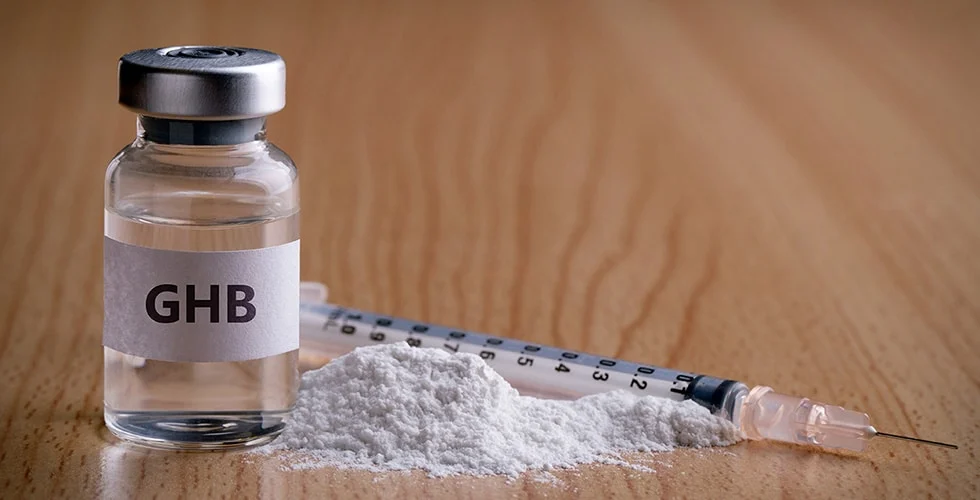
Yes, GHB is illegal in Canada. Gamma-hydroxybutyrate (GHB) is classified as a Schedule I controlled substance under the Controlled Drugs and Substances Act (CDSA), making possession, trafficking, production, and importation criminal offences. The only legal exception is its narrow medical use as a prescription medication for narcolepsy, regulated under a tightly controlled federal access program.
Understanding GHB in Canada
GHB, also known as gamma-hydroxybutyric acid, is a central nervous system depressant that produces euphoria, sedation, and amnesia depending on the dose. On the street, it circulates under names like liquid ecstasy, G, fantasy, grievous bodily harm (GBH), cherry meth, scoop, and easy lay. It is colourless, nearly odourless, and often dissolved in water, making it notoriously easy to conceal.
GHB is strongly associated with drug-facilitated sexual assault (DFSA) in Canada, alongside Rohypnol and Ketamine, because of its fast onset, memory-impairing effects, and near-undetectable nature in drinks. These characteristics, combined with a significant abuse and addiction potential, are central reasons Canadian law treats GHB with the highest level of legal restriction available.
Why GHB Is Illegal in Canada
Schedule I Classification Under the CDSA
Canada’s Controlled Drugs and Substances Act (CDSA) is the primary federal legislation governing illegal drugs in Canada. Schedule I of the CDSA contains substances considered to have the highest risk of abuse, addiction, and harm to public safety. GHB was permanently moved to Schedule I on November 6, 2012, upgraded from its previous Schedule III classification.
Other Schedule I substances alongside GHB include:
- Heroin (diacetylmorphine)
- Cocaine and crack cocaine
- Fentanyl and its analogues
- Methamphetamine
- MDMA (ecstasy)
- GHB (gamma-hydroxybutyrate)
This reclassification significantly strengthened the criminal penalties for GHB offences and reflected growing concern over its use as a weapon in sexual assault cases across Canada.
Is GHB Possession Illegal in Canada?
Yes — possessing GHB without a federal exemption or prescription is a criminal offence in Canada. There is no minimum quantity threshold, no personal-use exception, and no provincial decriminalization for GHB. Federal law applies uniformly whether you are in Ontario, Quebec, British Columbia, Alberta, or any other province or territory.
Possession Penalties Under the CDSA
Because GHB is a Schedule I substance, possession charges are prosecuted seriously:
- First offence (summary conviction): Fine of up to $1,000 and/or up to 6 months imprisonment
- Subsequent offences: Fine of up to $2,000 and/or up to 1 year imprisonment
- Indictable conviction: Up to 7 years imprisonment for possession with aggravating circumstances
A GHB possession conviction results in a permanent criminal record, which can affect employment, travel to foreign countries (including the United States), professional licensing, and educational admissions.
GHB Trafficking Laws in Canada
Trafficking GHB — which includes selling, giving, administering, transporting, or offering to sell — is among the most seriously prosecuted drug crimes in Canada. Since GHB is Schedule I, trafficking offences carry the following penalties:
- Maximum sentence: Life imprisonment for trafficking or possession for the purpose of trafficking
- Mandatory minimum: 1 year imprisonment where aggravating factors apply, such as:
Possession for the purpose of trafficking — where police determine you intended to sell or distribute GHB even without witnessing an actual transaction — carries the same maximum penalties as trafficking itself.
Is Importing or Exporting GHB Illegal in Canada?
Yes — importing or exporting GHB is strictly illegal without a valid federal licence and permit. Given GHB’s Schedule I status, attempting to bring GHB into Canada through airports, land borders, or mail courier services is a serious federal offence.
Penalties for GHB importation or exportation include:
- Mandatory minimum: 1 year imprisonment
- 2 years minimum if the quantity exceeds 1 kilogram
- Maximum: Life imprisonment for large-scale importation
The Canada Border Services Agency (CBSA) actively screens for controlled substances at all points of entry, and GHB seizures at the border are treated as a federal criminal matter.
GHB Precursors: Are GBL and 1,4-BD Illegal Too?
A common workaround attempt involves purchasing GHB precursor chemicals — substances that convert into GHB once metabolized by the body. In Canada, this is not a legal loophole:
- GBL (gamma-butyrolactone) — classified as a Class A Precursor under the CDSA; requires a federal licence and permit for import/export
- 1,4-Butanediol (1,4-BD) — also a Class A Precursor; subject to the same licensing requirements
Is GHB Legal for Medical Use in Canada?
This is a crucial distinction: GHB is legal in Canada strictly for medical use when prescribed by an authorized physician. The pharmaceutical form of GHB is sodium oxybate, marketed under the brand name Xyrem, and it is approved for treating narcolepsy — specifically for managing:
- Excessive daytime sleepiness (EDS)
- Cataplexy (sudden loss of muscle tone)
Xyrem is one of the most heavily monitored prescription drugs in Canada. It can only be dispensed through a highly restricted distribution program, with patients requiring ongoing authorization and monitoring. Recreational GHB bought on the street is categorically different and remains fully illegal.
GHB and Drug-Facilitated Sexual Assault in Canada
Canadian law treats the use of GHB in sexual assault with extreme severity. Administering GHB to another person without consent to facilitate a sexual act is prosecuted under both the CDSA and the Criminal Code of Canada, resulting in compounded sentences.
GHB’s properties that make it a risk in DFSA cases include:
- Rapid onset: Effects can begin within 15–30 minutes of ingestion
- Short detection window: GHB metabolizes quickly, making forensic testing time-sensitive
- Potent amnesiac effects: Victims may have little or no memory of what happened
- Lethal in combination with alcohol: The sedative synergy dramatically increases overdose risk
Medical professionals can perform toxicological tests within a narrow window to detect GHB.
GHB Illegal Status: Canada vs. Other Countries
Canada and the United States share the strictest approach, placing GHB in their highest-risk drug categories alongside heroin and cocaine. Germany is notably more lenient, allowing GHB as a prescription substance more broadly.
GHB Withdrawal and Addiction: Getting Help in Canada
GHB addiction is medically serious — withdrawal can produce severe anxiety, insomnia, tremors, hallucinations, and in extreme cases, psychosis and seizures. This makes GHB one of the most dangerous substances to stop using without medical supervision. If you or someone you know is dependent on GHB, do not attempt to quit cold turkey.
Canadian harm reduction and addiction support resources include:
- Here to Help BC — Substance-specific educational resources and support
- Health Canada Drug & Substance Use — Federal information and referrals
- CAMH (Centre for Addiction and Mental Health) — Canada’s foremost addiction treatment institution
- Crisis Services Canada — 24/7 crisis support line for substance and mental health emergencies